

A gas fire pit adds warmth, light, and a captivating focal point to any outdoor space. While the ambiance is wonderful, safety is always the top priority. One common concern is accidentally leaving the fire burning all night. This is where a timer becomes an invaluable feature, offering both convenience and peace of mind.
A timer allows you to set a specific duration for your fire, ensuring it shuts off automatically without you having to remember. For homeowners, especially those with busy lives or kids, this built-in safety feature is a game-changer.
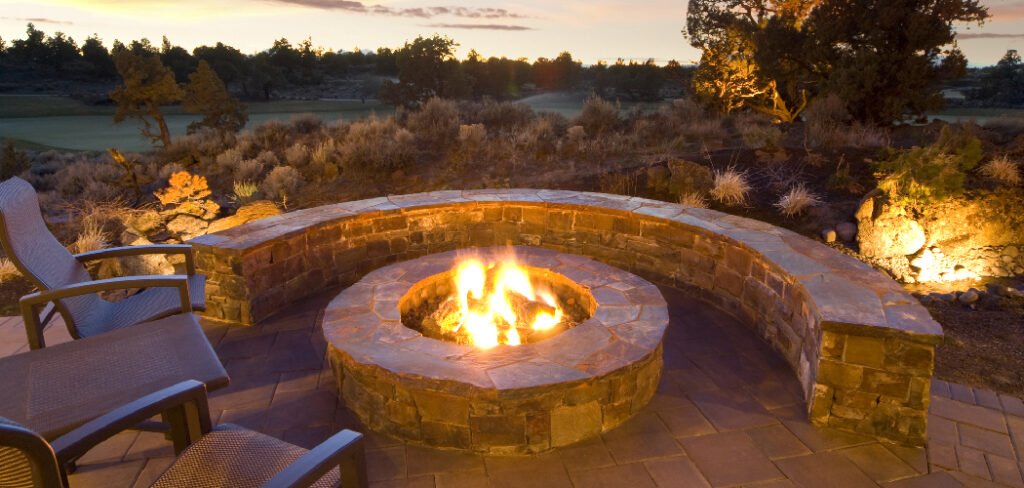
This guide will provide clear, straightforward instructions on how to turn on fire pit with timer, ensuring you can enjoy your evenings with confidence and ease.
Using a fire pit can transform your outdoor space into a cozy and inviting area for relaxation or gatherings. However, safety and convenience are key considerations when operating any fire feature.
By utilizing a timer, you can effortlessly manage your fire pit’s operation while ensuring the safety of your family and property. This simple yet effective tool not only enhances your overall experience but also provides peace of mind during use.
Step-by-Step Guide on How to Turn On Fire Pit with Timer
Step 1: Ensure the Main Gas Valve is Open
Before you interact with the timer or igniter, you must confirm that the gas supply to the fire pit is active. Locate the main gas shut-off valve for your fire pit. This is often a key valve (requiring a “key” to turn) located on the side of the fire pit structure itself or on a nearby wall.
It could also be a standard lever valve on the gas line leading to the unit. Turn the valve to the “ON” position. For key valves, this usually means inserting the key and turning it counter-clockwise. This step ensures that gas is available to flow to the burner once you activate the system, which is a necessary prerequisite for ignition.
Step 2: Clear the Burner Area of Debris
Safety is paramount when dealing with gas and fire. Before attempting to light your fire pit, perform a quick visual inspection of the burner pan. Remove the protective cover if you have one. Look for any leaves, twigs, water, or other debris that may have accumulated on top of the fire glass or lava rocks.

This debris can obstruct the gas ports, leading to an uneven flame, or even become a fire hazard itself by catching fire and creating sparks. Ensuring the burner is clean and clear allows for proper gas flow and a safe, beautiful flame pattern. This simple check should become a routine habit every time you use your fire pit.
Step 3: Locate the Timer Control Knob
The timer is typically a spring-loaded mechanical knob located on the control panel of your fire pit, often near the ignition button. It will have time markings on it, usually ranging from 15 minutes up to 60, 120, or even 180 minutes, depending on the model. This knob serves as both the timer and a safety mechanism that controls the flow of gas.
It is designed so that gas can only flow to the burner when the timer is actively counting down. Familiarize yourself with its location and the direction you need to turn it to set the time. This is the central component in the process of how to turn on fire pit with timer.
Step 4: Set the Desired Time Duration
Now you will activate the timer. Firmly grip the timer knob and turn it clockwise past the first few minutes, then set it to your desired duration. For example, if you want the fire pit to run for 60 minutes, you will turn the knob to the “60” mark.
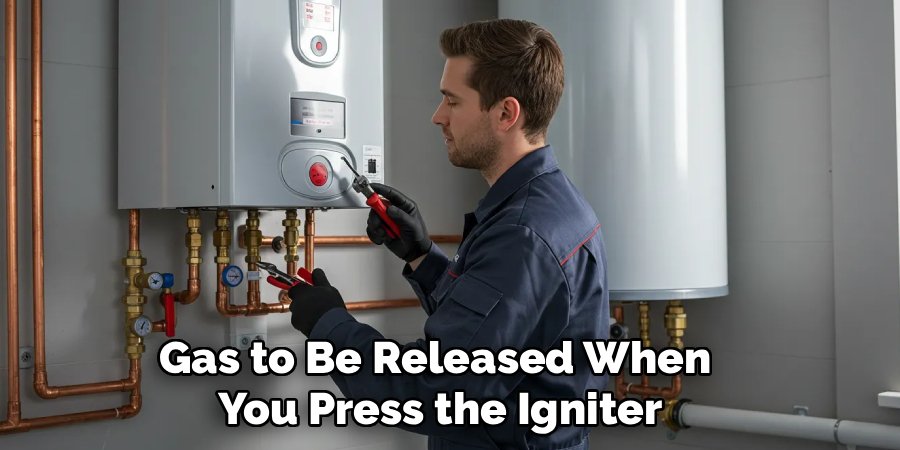
You will likely feel resistance as you are winding the internal spring mechanism, and you should hear a soft ticking sound once you let go. This ticking confirms that the timer is engaged and counting down. Setting the timer is what opens the gas valve internally, allowing gas to be released when you press the igniter.
Step 5: Press the Igniter
With the timer set and ticking, gas is now primed and ready. Immediately after setting the timer, you need to ignite the gas. Most modern fire pits with timers use a push-button spark igniter. Press and hold the ignition button. As you hold it, you should hear a rapid clicking sound, which is the spark being generated at the burner.
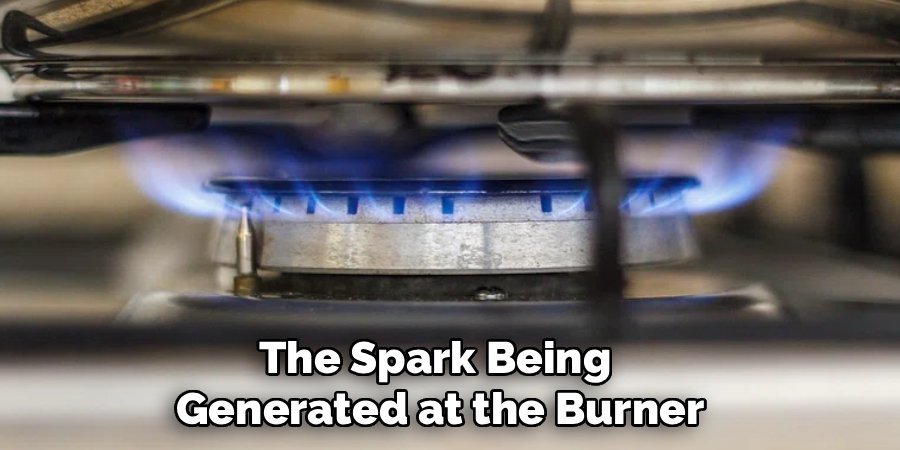
While holding the igniter button down, gas will flow to the burner, and the spark will ignite it, producing a flame. This step requires a bit of coordination, as you must press the igniter right after setting the timer. This is the core action for how to turn on fire pit with timer.
Step 6: Hold the Igniter and Verify Ignition
Do not release the ignition button the instant you see a flame. You must continue to press and hold the igniter button for approximately 10 to 20 seconds after the burner has lit. This is a critical safety feature.
Holding the button keeps the thermocouple—a heat-sensing safety device—in the flame. Once the thermocouple gets hot enough, it signals to the gas valve that a fire is present and it is safe to keep the gas flowing.
If you release the button too soon, the thermocouple will be cold, and it will automatically shut off the gas supply, extinguishing the flame. After holding for 20 seconds, release the button and confirm the fire stays lit.
Step 7: Adjust the Flame Height and Enjoy
Once the fire pit is successfully lit and the flame is stable, you can customize the ambiance. Most fire pits have a separate flame control knob, which allows you to adjust the flame from a low, gentle flicker to a high, roaring fire.
Turn this knob to achieve your desired height and intensity. With the fire burning and the timer ticking down, your work is done.

You can now relax and enjoy the warmth and beauty of your fire pit, secure in the knowledge that it will shut itself off automatically when the timer reaches zero. This eliminates any worry about forgetting to turn it off later in the evening.
Frequently Asked Questions (FAQ)
What if My Fire Pit Does Not Light When I Press the Igniter?
If the fire pit fails to light, several issues could be the cause.
- No Spark: Listen for the clicking sound. If there is no click, the igniter battery may be dead and need replacement.
- No Gas: Ensure your main gas valve is open and your propane tank is not empty.
- Wind: Strong winds can blow the gas away from the spark before it can ignite. Try shielding the burner area from the wind while you press the igniter.
- Air in the Line: If it is a new installation, it may take a few tries to purge air from the gas line.
What Happens When the Timer Runs Out?
When the mechanical timer reaches zero, it automatically closes the internal gas valve, cutting off the supply of gas to the burner. The flame will extinguish on its own. The system is designed to “fail safe,” meaning it defaults to a closed and secure position. You do not need to do anything further; the fire pit is now safely off.
Can I Add More Time While the Fire Pit Is Burning?
Yes. If you are enjoying the fire and notice the timer is about to run out, you can simply turn the timer knob again to add more time. This will reset the countdown without extinguishing the flame. This allows you to extend your evening without having to go through the full ignition sequence again.
Why Does My Flame Go Out After I Release the Igniter Button?
This is almost always a thermocouple issue. The thermocouple’s job is to sense heat and keep the gas valve open. If the flame goes out when you release the button, it means the thermocouple either did not get hot enough or it is faulty.
Try holding the igniter button for longer (up to 30 seconds). If it still does not stay lit, the thermocouple may need to be cleaned, repositioned closer to the flame, or replaced.
Is a Timer a Required Safety Feature for a Gas Fire Pit?
While not legally required in all residential settings, an automatic shut-off timer is highly recommended by safety experts and is often required for commercial installations (like in hotels or restaurants).
It is one of the most effective ways to prevent accidents caused by leaving a fire pit unattended. Many modern fire pit kits come with timers as a standard feature.
Conclusion
A fire pit timer is more than just a convenience; it is a fundamental safety feature that allows for worry-free enjoyment of your outdoor space. By understanding the simple sequence of operations—from opening the gas valve and clearing the burner to setting the timer and properly igniting the flame—you can operate your fire pit with confidence.
The process is designed to be straightforward and secure, with built-in mechanisms like the thermocouple to protect you. There is no need to be intimidated by the controls.
Now that you have a clear understanding of how to turn on fire pit with timer, you can look forward to countless evenings of warmth and ambiance, all with the guaranteed peace of mind that your fire will extinguish itself safely.

About
Jovie Mathews is a backyard and outdoor expert writer with over 12 years of hands-on experience transforming neglected outdoor spaces into thriving gardens and functional retreats. Raised in a family where weekends meant digging in the soil and building raised beds from scratch, Jovie developed a genuine love for the outdoors long before it became a career.
She writes with a practical, no-fluff approach — always testing ideas in her own backyard before sharing them with readers. From composting systems and native plant selection to patio design and pest control, Jovie covers the full spectrum of backyard life with equal parts expertise and enthusiasm.
Education
B.Sc. in Horticulture Science
University of Florida (UF) · Gainesville, FL · 2014
IFAS College of Agricultural and Life Sciences
Minor in Environmental Studies
University of Florida (UF) · Gainesville, FL · 2014
College of Liberal Arts and Sciences
Areas of expertise
- Lawn & Garden Care
- Soil prep, planting, seasonal care
- Outdoor DIY Projects
- Raised beds, fencing, pathways
- Composting & Soil Health
- Organic methods, amendments
- Native Plants & Wildlife
- Pollinators, habitat gardening
When she is not writing, Jovie can be found testing new composting techniques, growing tomatoes in questionable quantities, or convincing her neighbors that clover lawns are actually a great idea. She currently gardens in the Pacific Northwest.