

Palm trees bring a tropical vibe to any garden, but when they die or need to be relocated, they leave behind a formidable opponent: the stump. Unlike broadleaf trees with thick, woody taproots, palms have a massive, fibrous root system that clings tenaciously to the soil.
This unique structure makes removal physically demanding and often confusing for homeowners. You might be staring at that ugly remnant in your yard, wondering how to remove palm tree stump debris without renting heavy industrial machinery or destroying your surrounding landscape.
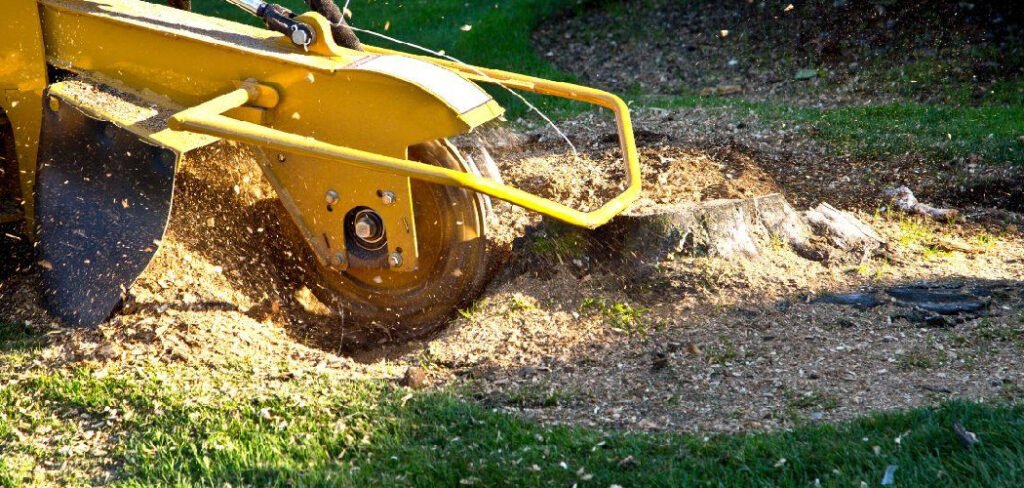
The good news is that with the right approach, tools, and a bit of elbow grease, you can reclaim your garden space. This process does not always require professional intervention if the stump is of a manageable size.
By understanding the root structure and applying specific leverage techniques, you can extract the stump effectively. This guide is designed to walk you through the process safely, ensuring you can say goodbye to that tripping hazard and hello to a fresh, clean planting area.
Why Removing a Palm Stump Is Essential
Leaving a palm stump in the ground might seem like the path of least resistance, but it often leads to long-term headaches for gardeners. The primary reason for removal is pest control. Decaying palm wood is softer and more fibrous than hardwoods, making it an absolute magnet for termites, carpenter ants, and beetles.
These pests can establish a colony in the rotting stump and eventually migrate to healthy plants or even the wooden structures of your home. Removing the stump eliminates this potential breeding ground and protects your property from expensive infestation damage.
Beyond pests, aesthetics and functionality play a huge role. A rotting stump is an eyesore that disrupts the flow of your landscape design. It creates a “dead zone” where nothing else can grow because the old root ball occupies valuable soil space and depletes nutrients as it slowly decays.
Furthermore, stumps hidden by grass can become dangerous tripping hazards for children and pets or can damage lawnmower blades. clearing the stump completely allows you to grade the soil properly, plant new vegetation, or install hardscaping features like patios or walkways without obstruction.
Step-by-Step Guide on How to Remove Palm Tree Stump
Removing a palm stump requires a methodical approach to deal with the dense, mat-like root system. Follow these steps to excavate and extract the stump efficiently.
Step 1: Gather the Necessary Safety Gear and Tools
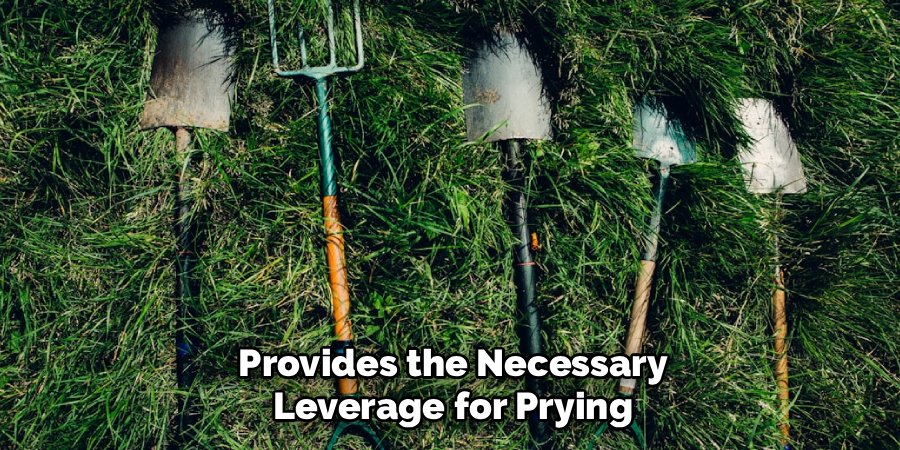
Before breaking ground, you must assemble the right arsenal of tools to tackle the fibrous nature of palm roots. You will need a heavy-duty spade shovel for moving dirt and a mattock or pickaxe for breaking through hardened soil. A reciprocating saw with a long pruning blade is incredibly useful for slicing through the dense root mat, while a landscape bar (digging bar) provides the necessary leverage for prying.
Safety is paramount during this physical task. Equip yourself with thick leather gloves to protect against blisters and sharp fibers, safety goggles to shield your eyes from flying debris, and sturdy steel-toed boots to protect your feet. Hydrate well, as this is labor-intensive work.
Step 2: Clear the Area and Plan Your Excavation
Start by clearing the immediate area around the stump of any rocks, lawn furniture, or potted plants. You need a safe, unobstructed radius of at least three feet to swing tools and maneuver effectively. Visualize a circle around the stump that is roughly six to twelve inches wider than the trunk itself.
This will be your digging zone. If the palm was large, the root ball will be significant, so give yourself enough room to work. If you plan to dispose of the stump immediately, position your wheelbarrow or waste bin nearby so you aren’t hauling heavy debris further than necessary later on.
Step 3: Dig a Trench to Expose the Root Ball
Begin digging a trench along the circle you visualized in the previous step. The goal here is not to dig under the stump yet, but to expose the sides of the root ball. Use your spade to remove the topsoil and your mattock to chop through the initial layer of roots. Palm roots grow horizontally and densely, creating a “bird’s nest” structure.

You need to dig down approximately 12 to 18 inches, depending on the size of the tree. As you dig, throw the displaced soil onto a tarp nearby; this keeps your lawn clean and makes backfilling the hole much easier once the job is done.
Step 4: Sever the Lateral Roots
Once you have exposed the sides of the root ball, you will see thousands of spaghetti-like roots extending into the surrounding soil. This is where the real work begins. Use your reciprocating saw or a sharp mattock to sever these lateral connections. Work your way around the entire circumference of the stump.
If you encounter larger roots, the saw is your best friend, as chopping them with an axe can be bouncy and dangerous due to the fibrous texture. Ensure you have cut completely through the outer ring of roots, disconnecting the stump from the surrounding soil structure. This isolation is crucial for loosening the stump’s grip.
Step 5: Leverage and Rock the Stump
With the lateral roots severed, the stump should now have some movement. Insert your heavy landscape bar under the edge of the stump or into the root mass to use as a lever. Push and pull on the stump to rock it back and forth. This motion helps to snap any remaining smaller roots and reveals where the stump is still anchored.
If the stump is stubborn and refuses to wiggle, do not force it to the point of injury. Instead, return to your trench and dig slightly deeper or use your saw to cut further down. The goal is to weaken the vertical hold the roots have on the ground.
Step 6: Undercut the Core of the Root Ball
Palms generally do not have a single deep taproot, but the mass of roots directly underneath the center can be very dense and difficult to break. You need to angle your shovel or reciprocating saw underneath the stump to cut these bottom roots. This can be awkward, so take your time.
If you have a partner, have them apply pressure with the landscape bar to tilt the stump to one side, exposing the underside for you to cut. Continue working your way around and underneath until you feel the stump release its tension. This is a critical moment in learning how to remove palm tree stump matter effectively without heavy machinery.
Step 7: Extract the Stump from the Hole
Once all the anchor roots are severed, the stump should be loose enough to remove. For smaller palms, you might be able to lift it out by hand or with the help of a friend. For larger, heavier stumps, you may need to wrap a heavy-duty chain or tow strap around the base and use a vehicle or a manual come-along winch to pull it free.

Be extremely cautious if using a vehicle; ensure the chain is rated for the weight and stand clear of the snap-back zone. Drag the stump out of the hole and set it aside on your tarp for disposal.
Step 8: Backfill and Repair the Landscape
With the stump gone, you are left with a gaping hole that is a safety hazard. Take the soil you placed on the tarp earlier and shovel it back into the excavation site. You will likely need to purchase additional topsoil or garden mix, as the stump volume occupied a significant amount of space.

Fill the hole in layers, tamping down the dirt with your feet or a tamper tool to prevent future sinking as the soil settles. Once the hole is filled and leveled with the surrounding grade, you can sow grass seed, lay sod, or plant new vegetation to restore your garden’s beauty.
Frequently Asked Question (Faq)
Can I Use Chemicals to Remove a Palm Stump?
Yes, chemical removal is an option if you are not in a rush. You can drill deep holes into the stump and fill them with a high-concentration stump remover (usually potassium nitrate) or Epsom salts.
- Drill holes about 8-10 inches deep.
- Fill with chemical granules and water.
- Cover with a tarp to speed up decomposition.
This process accelerates rotting but can still take several months to a year before the wood is soft enough to break apart easily.
Will a Palm Tree Grow Back From a Stump?
No, palm trees are monocots, which means they grow differently than broadleaf trees like oaks or maples. The growing point of a palm is at the very top of the trunk, known as the terminal bud.
Once the tree is cut down and the trunk is severed, the palm cannot generate new growth from the roots or the stump. The remaining stump is dead material and will only decay; it will not sprout new shoots.
How Much Does It Cost to Grind a Palm Stump?
The cost to hire a professional stump grinder varies based on the size of the stump and accessibility. On average, you can expect to pay between $100 and $400 per stump.
- Small stumps: $80 – $150
- Medium/Large stumps: $200 – $400+
- DIY Rental: Renting a stump grinder yourself typically costs about $150 to $250 for a half-day.
Hiring a pro is often worth it for very large stumps to save physical labor.
Can I Burn a Palm Tree Stump?
Burning is possible, but it is often discouraged or illegal in many residential areas due to fire codes and smoke nuisance. Palm wood is very fibrous and can smolder for days rather than burning cleanly. If you choose to burn:
- Check local fire regulations first.
- Drill holes and add kerosene or fuel oil (never gasoline).
- Monitor the fire constantly until the stump is reduced to ash.
It is generally safer and cleaner to dig it out or grind it.
What is the Best Way to Dispose of the Stump?
Palm wood is tough on wood chippers and can clog typical residential shredders due to its stringy fibers. The best disposal methods include:
- Green Waste Bin: If it fits, cut it into smaller chunks for municipal pickup.
- Local Landfill: Haul it to a dump that accepts green waste.
- Bulk Pickup: Schedule a large item pickup with your waste management provider.
- Drying: Let it dry out completely and use it as firewood for an outdoor fire pit, though it burns quickly.
Conclusion
Removing a palm tree stump is undeniably hard work, but the reward is a safer, more attractive, and pest-free garden. By following a structured plan—digging a trench, severing the fibrous lateral roots, and leveraging the root ball out of the ground—you can tackle this project over a weekend without the need for expensive contractors.
Whether you choose to dig it out by hand or speed up the process with a grinder, the key is persistence and safety. Now that you have mastered the techniques of how to remove palm tree stump obstacles, you have reclaimed valuable real estate in your yard for new planting projects or a smooth, green lawn.

About
Jovie Mathews is a backyard and outdoor expert writer with over 12 years of hands-on experience transforming neglected outdoor spaces into thriving gardens and functional retreats. Raised in a family where weekends meant digging in the soil and building raised beds from scratch, Jovie developed a genuine love for the outdoors long before it became a career.
She writes with a practical, no-fluff approach — always testing ideas in her own backyard before sharing them with readers. From composting systems and native plant selection to patio design and pest control, Jovie covers the full spectrum of backyard life with equal parts expertise and enthusiasm.
Education
B.Sc. in Horticulture Science
University of Florida (UF) · Gainesville, FL · 2014
IFAS College of Agricultural and Life Sciences
Minor in Environmental Studies
University of Florida (UF) · Gainesville, FL · 2014
College of Liberal Arts and Sciences
Areas of expertise
- Lawn & Garden Care
- Soil prep, planting, seasonal care
- Outdoor DIY Projects
- Raised beds, fencing, pathways
- Composting & Soil Health
- Organic methods, amendments
- Native Plants & Wildlife
- Pollinators, habitat gardening
When she is not writing, Jovie can be found testing new composting techniques, growing tomatoes in questionable quantities, or convincing her neighbors that clover lawns are actually a great idea. She currently gardens in the Pacific Northwest.