

Worn-out, faded, or torn patio chair fabric can make your entire outdoor space look tired and uninviting. Instead of buying a whole new set, you can give your furniture a fresh, vibrant look with a simple DIY project.

Learning how to replace fabric on patio chairs is a cost-effective and satisfying way to customize your outdoor seating to match your style. This guide will walk you through the entire process, from choosing the right material to securing the final stitch. It’s a beginner-friendly project that requires just a few tools and a bit of patience, but the results are well worth the effort.
Replace Fabric on Patio Chairs
Replacing the fabric on your patio chairs is about more than just aesthetics; it’s a practical decision with several benefits. Over time, outdoor fabric is exposed to sun, rain, and fluctuating temperatures, which causes it to degrade. UV rays break down the fibers, leading to fading and brittleness, while moisture can promote mold and mildew growth. This deterioration not only looks bad but also compromises the structural integrity of the sling or cushion, making the chair uncomfortable and potentially unsafe to use.
By replacing the fabric, you restore the chair’s comfort and support. It also presents a perfect opportunity to upgrade your material. Modern outdoor fabrics offer superior durability, UV resistance, and water-repellent properties, extending the life of your furniture. Furthermore, this project allows you to completely refresh your patio’s color scheme and design. You can choose from countless patterns and hues to create a personalized outdoor oasis that reflects your taste, turning old, worn-out chairs into beautiful, functional pieces once again.
8 Step-by-Step Guide on How to Replace Fabric on Patio Chairs
Step 1: Gather Your Tools and Materials
Before you begin, gather everything you need to ensure the project goes smoothly. You will need new outdoor-grade fabric, which is specifically designed to resist fading and moisture. You’ll also require a sewing machine equipped with a heavy-duty needle, strong UV-resistant thread, scissors, and a seam ripper.
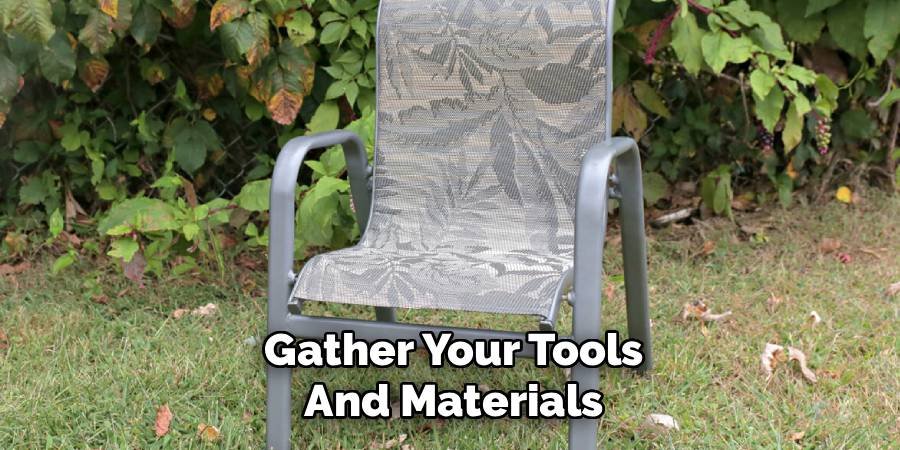
For taking apart the chair, have a screwdriver or wrench handy. A tape measure is essential for accuracy, and a marking pen or chalk will help you transfer measurements to your new fabric. Having all your tools and materials laid out will save you time and prevent interruptions.
Step 2: Carefully Remove the Old Fabric
Start by carefully removing the old, worn fabric from the chair frame. Most patio sling chairs have rails that hold the fabric in place, often secured by end caps and screws. Use a screwdriver or wrench to loosen and remove these fasteners. Once the end caps are off, you should be able to slide the old fabric sling out of the channels on the chair frame. Take your time during this step to avoid damaging the frame. Pay close attention to how the chair is constructed, as this will be your guide when you install the new fabric later on.
Step 3: Use the Old Fabric as a Template
The easiest way to get the correct size and shape for your new sling is to use the old one as a pattern. Lay the old fabric flat on a large surface. If it’s frayed, trim the edges neatly. Next, lay your new outdoor fabric out, and place the old piece on top. Use your marking pen or fabric chalk to trace around the old sling. This method ensures your new piece will be the perfect size. It’s a crucial step in learning how to replace fabric on patio chairs, as incorrect measurements can ruin the project.
Step 4: Measure and Cut the New Fabric
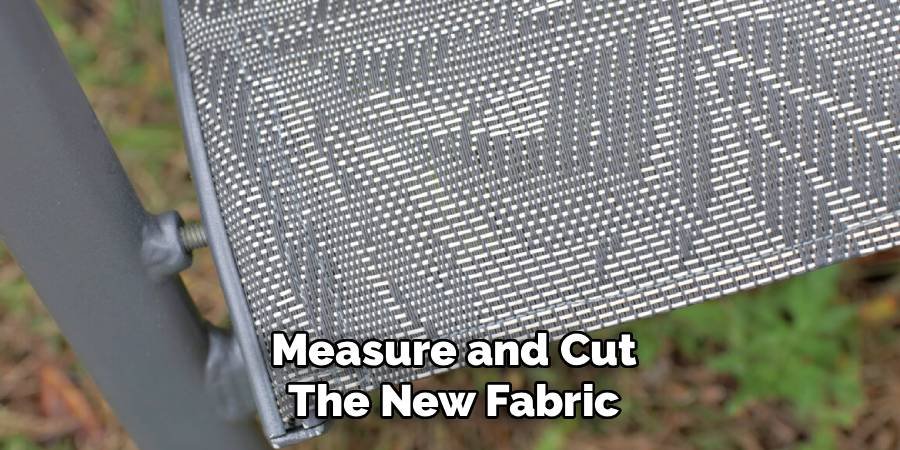
After tracing the pattern, it’s time to double-check your measurements. Measure the length and width of the traced outline to confirm it matches the original sling. Now, you need to add a seam allowance. Add about one inch to each side that will be hemmed; these hems will form the channels for the plastic splines or rods that hold the fabric in the frame. Once you are confident in your measurements, use a sharp pair of scissors to carefully cut the new fabric along your marked lines. A straight, clean cut is important for a professional finish.
Step 5: Sew the Hems for the Side Channels
With your new fabric piece cut, the next step is to sew the side hems that will form the channels. Fold over the edges you allocated for the seam allowance, typically about one inch on each side. Press the fold with an iron on a low setting appropriate for your fabric to create a crisp edge. Using your sewing machine, stitch along the fold to create a strong hem. Be sure to use UV-resistant thread, as standard thread will quickly degrade in the sun. Sew a straight, durable seam to ensure the channel can withstand the tension once installed.
Step 6: Insert the Splines or Rods
Most sling chairs use plastic splines or rods that slide into the side channels you just sewed. These rods are what hold the fabric securely within the chair’s metal frame. Take the splines from your old fabric sling—if they are still in good condition—or purchase new ones. Cut the splines to match the length of your new fabric channels. Carefully guide a spline into each of the sewn hems on your new sling. This can sometimes be a tight fit, so work slowly to avoid tearing the fabric or the seam you just created.
Step 7: Install the New Fabric Sling
Now it’s time to install your new sling onto the chair frame. This is often the most challenging part of the project and may require an extra set of hands. Start by sliding one side of the fabric, with the spline inserted, into the rail on one side of the chair frame. Next, you will need to pull the other side of the frame apart just enough to fit the second spline into its corresponding rail. Some chairs have spreader bars or bolts that can be loosened to make this easier. This step is a test of patience and technique.

Step 8: Reassemble and Tighten the Chair Frame
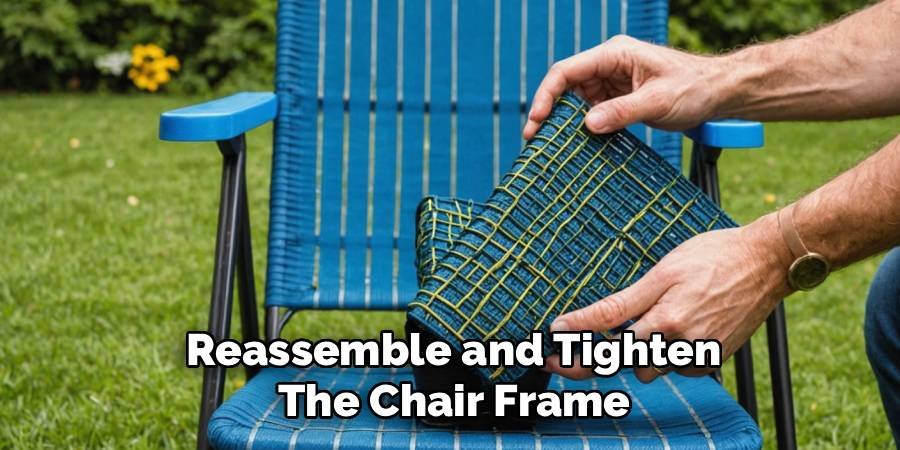
Once the new fabric sling is fitted into both side rails, it’s time to reassemble the chair. Re-insert and tighten any spreader bars or bolts that you loosened earlier. This action will pull the frame together, creating tension in the fabric and making it taut. Finally, replace the end caps on the rails and secure them with their screws. Give the fabric a final check to ensure it is straight and evenly tensioned. The chair might feel extremely tight at first, but the fabric will stretch slightly with use, creating a comfortable and supportive seat.
Frequently Asked Questions
What Is the Best Fabric for Patio Chairs?
The best fabric for patio chairs is a solution-dyed acrylic or a PVC-coated polyester mesh. Solution-dyed acrylics, like those from Sunbrella, offer excellent fade and water resistance because the color pigment is part of the fiber itself. PVC-coated mesh, often called sling fabric, is incredibly durable, breathable, and easy to clean, making it a popular choice for sling-style chairs. Both options are designed to withstand UV exposure and outdoor elements for years.
How Much Fabric Do I Need for a Patio Chair?
To determine how much fabric you need, you should measure your existing chair sling or cushion. For a standard sling chair, you will typically need about one to two yards of fabric. It is always a good idea to buy slightly more than you think you need to account for any potential mistakes. Remove the old fabric and measure its length and width, then add at least two inches to the width for seam allowances.
Can I Replace Patio Chair Fabric Without Sewing?
Yes, it is possible to replace patio chair fabric without sewing, especially for sling chairs. You can purchase pre-made, universal replacement slings that are sized to fit a range of standard chair frames. These slings come with the hems already sewn and the spline channels ready to go. You simply need to remove the old sling and install the new one by sliding it into the chair’s rails, which eliminates the need for any cutting or sewing.
How Do You Get Wrinkles Out of New Patio Chair Fabric?
To remove wrinkles, you can use a few different methods depending on the fabric type. For many outdoor fabrics, a hairdryer or a heat gun on a low setting can be used to gently warm the material, allowing the wrinkles to relax and disappear. You can also try placing the chair in direct sunlight for a few hours, as the heat from the sun will naturally smooth out the fabric. Always test heat on a small, inconspicuous area first.
How Do You Clean and Maintain New Patio Chair Fabric?
To maintain your new fabric, clean it regularly by brushing off loose dirt and wiping up spills immediately. For a deeper clean, use a solution of mild soap and lukewarm water. Gently scrub the fabric with a soft-bristle brush, rinse thoroughly with clean water, and allow it to air dry completely. Avoid using harsh chemical cleaners or pressure washers, as they can damage the fabric’s protective coating and fibers over time.
Conclusion
Replacing the fabric on your patio chairs is a rewarding project that breathes new life into your outdoor living area. By following these steps, you can transform faded, damaged seating into something that looks and feels brand new. This DIY task not only saves you money but also gives you the creative freedom to customize your patio furniture to perfectly match your personal style. Don’t be intimidated by the process; with a little preparation and patience, you have everything you need to know about how to replace fabric on patio chairs and enjoy beautiful, comfortable outdoor seating for years to come.

About
Jovie Mathews is a backyard and outdoor expert writer with over 12 years of hands-on experience transforming neglected outdoor spaces into thriving gardens and functional retreats. Raised in a family where weekends meant digging in the soil and building raised beds from scratch, Jovie developed a genuine love for the outdoors long before it became a career.
She writes with a practical, no-fluff approach — always testing ideas in her own backyard before sharing them with readers. From composting systems and native plant selection to patio design and pest control, Jovie covers the full spectrum of backyard life with equal parts expertise and enthusiasm.
Education
B.Sc. in Horticulture Science
University of Florida (UF) · Gainesville, FL · 2014
IFAS College of Agricultural and Life Sciences
Minor in Environmental Studies
University of Florida (UF) · Gainesville, FL · 2014
College of Liberal Arts and Sciences
Areas of expertise
- Lawn & Garden Care
- Soil prep, planting, seasonal care
- Outdoor DIY Projects
- Raised beds, fencing, pathways
- Composting & Soil Health
- Organic methods, amendments
- Native Plants & Wildlife
- Pollinators, habitat gardening
When she is not writing, Jovie can be found testing new composting techniques, growing tomatoes in questionable quantities, or convincing her neighbors that clover lawns are actually a great idea. She currently gardens in the Pacific Northwest.