
As winter fades or heavy rains subside, every pool owner faces a common sight: a cover weighed down by a dark, murky puddle. Ignoring this accumulation can damage your expensive cover and even compromise the pool water underneath. Dealing with this stagnant mess doesn’t have to be a back-breaking chore. With the right approach, you can clear the surface quickly and safely, ensuring your swimming season starts without a hitch.
In this guide, we will walk you through the entire process, making it simple for beginners to tackle. Whether you have a submersible pump or are using a simple siphon method, we have you covered. By learning how to drain water off pool cover correctly, you extend the lifespan of your equipment and save yourself money on costly repairs. Let’s dive into the specifics of getting that water off safely.
Why Draining Your Pool Cover Matters
Leaving standing water on top of your pool cover is a recipe for disaster. While pool covers are designed to be durable, they have weight limits. The immense pressure from hundreds of gallons of rainwater and melted snow can stretch the fabric, causing tears or ripping the anchors right out of your deck. This physical strain weakens the material over time, leading to premature failure and the need for expensive replacements far sooner than expected.
Furthermore, stagnant water is a breeding ground for mosquitoes, bacteria, and algae. If this dirty water spills into your clean pool water during the removal process, you will face a chemical nightmare when you open the pool. It forces you to spend more money on shock treatments and clarifiers to balance the water chemistry. Properly managing the water level on top of the cover is essentially an insurance policy for both the cover itself and the crystal-clear water waiting underneath.
8 Step-by-Step Guide: How To Drain Water Off Pool Cover
Step 1: Assess The Water Volume And Debris Level
Before you begin any physical work, take a moment to evaluate exactly what you are dealing with on top of your pool. Walk around the perimeter of the pool and look closely at the depth of the water and the amount of debris present. If there are heavy piles of wet leaves, branches, or sludge, you cannot simply start pumping immediately, as this will clog your equipment.
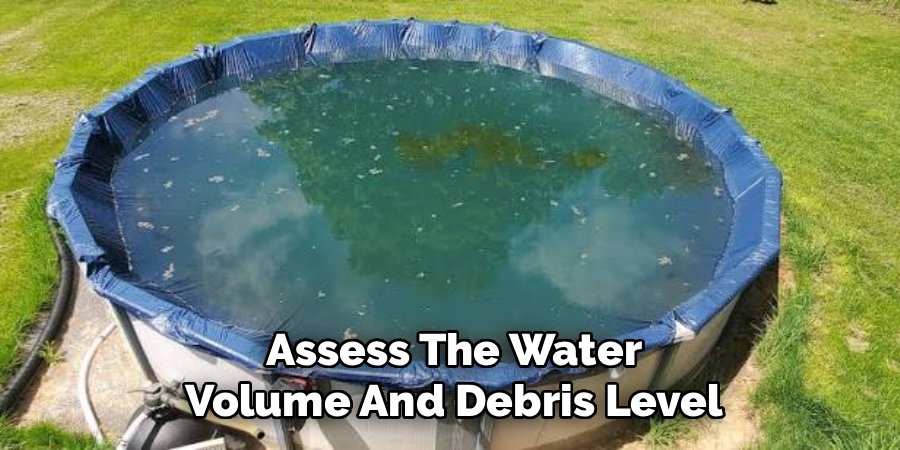
You need to understand if you are dealing with a few inches of clear rainwater or a deep, swamp-like accumulation. This initial assessment helps you decide which tools are necessary and prevents damage to your pump. If the water is frozen or slushy, you must wait for it to melt completely. Attempting to move ice can tear the cover fabric instantly.
Step 2: Remove Large Debris First
Removing the bulk of the leaves and sticks is crucial before you attempt to move any liquid. Use a standard pool leaf rake or a soft broom with a long handle to gently scoop out the organic matter. You want to be very gentle during this process to avoid poking holes in the cover material.
If you skip this step, the organic debris will inevitably get sucked into your pump or siphon hose, causing blockages that stop the flow of water entirely. It is much easier to remove wet leaves while there is still water on the cover to float them. Once the water is gone, the leaves become a heavy, sticky mat that is incredibly difficult to peel off. Take your time here to ensure a smooth pumping process later.
Step 3: Set Up Your Submersible Pump Correctly
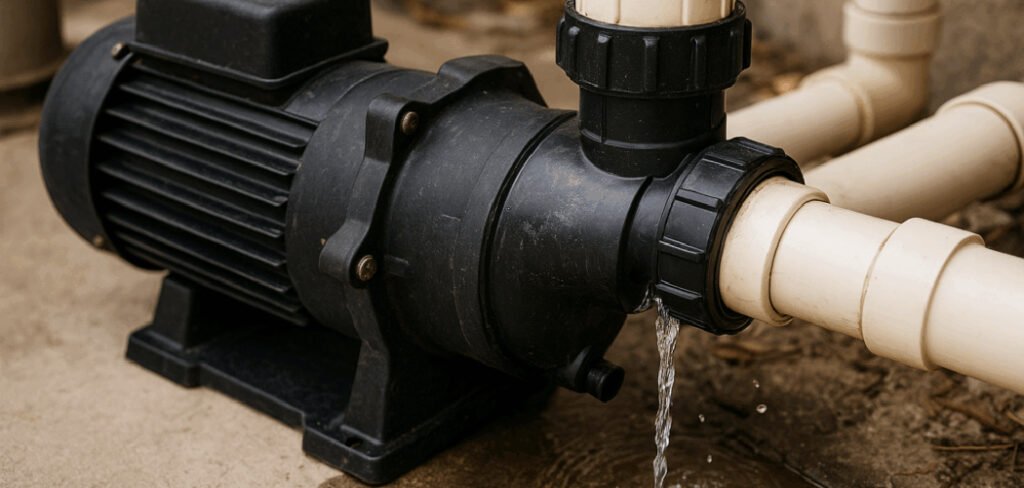
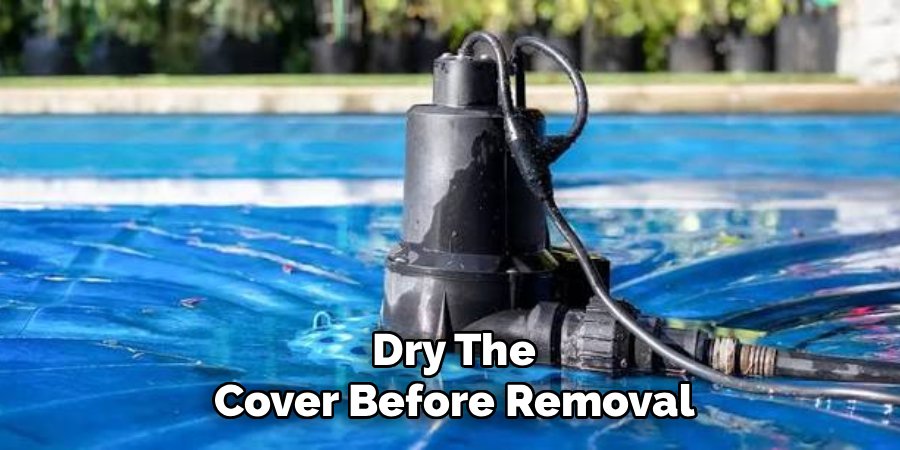
If you are using an electric pool cover pump, positioning it correctly is the most critical part of the operation. Place the pump in the deepest area of the puddle, which is usually in the center of the pool cover. Most modern pumps come with a weighted base to keep them upright, but you may need to gently guide it to the spot where the water is pooling the most.
Connect your garden hose to the outlet port on the pump and run the other end of the hose away from the pool area. You want the discharge water to flow into a drainage area or a part of the yard that slopes away from the pool foundation. Ensure the power cord is dry and plugged into a GFCI outlet for safety.
Step 4: Prime The Siphon If Using A Hose
For those who do not have an electric pump, a simple garden hose can work wonders using gravity. To start a siphon, submerge the entire hose into the pool water (or the water on the cover) to fill it completely, ensuring no air bubbles remain inside. Once filled, keep one end submerged in the water on the cover and tightly cover the other end with your thumb.
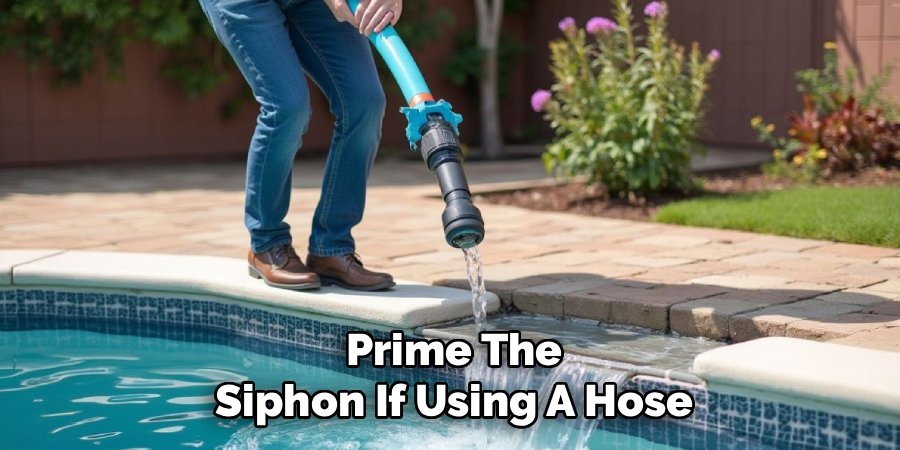
Drag the thumb-covered end to a spot in your yard that is lower than the pool cover’s surface level. When you release your thumb, gravity will pull the water through the hose. This method is slower than an electric pump but is highly effective and costs nothing. It requires patience, but it is a reliable way to learn how to drain water off pool cover without electricity.
Step 5: Monitor The Draining Process Closely
Once the water starts flowing, do not just walk away and forget about it. You need to keep an eye on the progress to ensure the pump or hose remains submerged. As the water level drops, the cover will naturally rise and shift, potentially leaving your pump running dry. Running a pump without water can burn out the motor very quickly.
If you are using a siphon, the hose end might flip out of the water as the puddle shrinks. You may need to use a standard pool brush to gently push the remaining water toward the pump or hose inlet. This active monitoring ensures that you get as much water off as possible without damaging your tools.
Step 6: Adjust The Cover Tension As Water Recedes
As the heavy weight of the water is removed, the tension on your pool cover springs or anchors will change. The cover may start to billow or sag in different areas. While the pump is running, walk around the deck and check the springs or water bags securing the cover. If the cover becomes too loose, the wind could get underneath it, or it could dip back into the pool water.
You might need to tighten a few springs or readjust the weights to keep the cover taut. Keeping the cover tight helps funnel the remaining water toward your pump, making the final stages of draining much more efficient. This adjustment helps maintain the structural integrity of the cover installation.
Step 7: Clean The Remaining Silt And Sludge
After the pump has removed the vast majority of the water, you will likely be left with small puddles of dirty, silty water that the pump cannot pick up. This remaining sludge is concentrated with dirt and potential algae spores. Do not let this dry on the cover, as it will stain and degrade the material.
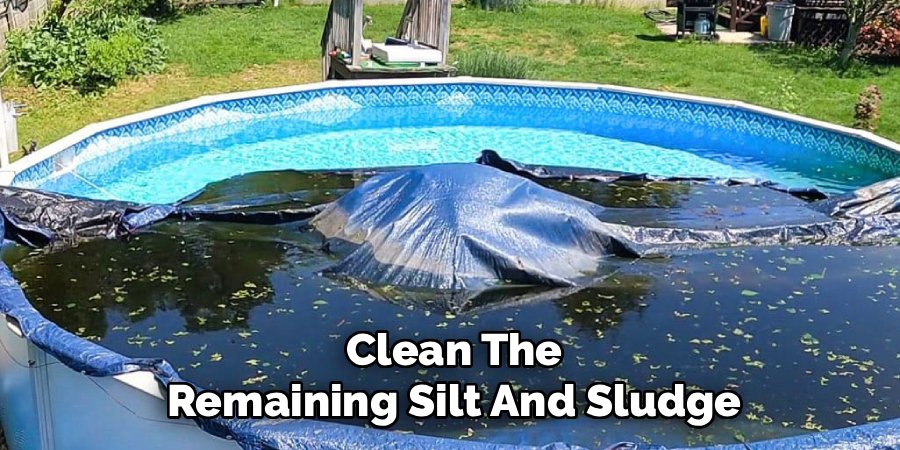
While the cover is still slightly wet, use a soft broom and a little bit of fresh water from a hose to dilute this sludge. Push this final bit of dirty water toward the pump or use a wet-dry vac to suck it up. Getting the cover as clean as possible now prevents a cloud of dust and dirt from forming when you eventually fold and store the cover for the summer.
Step 8: Dry The Cover Before Removal
The final step is ensuring the cover is relatively dry before you attempt to take it off the pool. Even a small amount of moisture can make the cover heavy and slippery, increasing the risk of it falling into the pool as you remove it. If there are small damp spots, let the sun air-dry them for a few hours.
A dry cover is significantly lighter and easier to fold. Furthermore, storing a wet cover promotes the growth of mold and mildew, which will ruin the fabric while it sits in storage. Taking the time to let it dry ensures your cover will be fresh and ready to use again when winter returns next year.
Frequently Asked Questions
Can I Use My Pool’s Main Pump To Drain The Cover?
No, you should never use your pool’s main circulation pump to drain water from the top of the cover. The main pump is designed to draw water from the skimmers and main drain inside the pool, not from the top of the cover. Attempting to rig suction from the top can introduce air into the system, potentially damaging the pump impeller or burning out the motor. Always use a submersible utility pump or a siphon hose specifically for this task.
How Often Should I Drain The Water Off My Cover?
You should drain the water whenever it accumulates to a depth of roughly one inch or more.
- Heavy Rain: Check immediately after storms.
- Snow Melt: Drain as soon as the ice melts into water.
Leaving water to sit for long periods stresses the cover springs and fabric. Regular maintenance prevents the water from becoming too heavy and unmanageable, protecting your investment in the cover and the pool structure.
What Should I Do If The Water Is Frozen?
If the water on your cover has turned to ice, you must do absolutely nothing until it melts. Do not try to break the ice, chop it, or drag it off the cover. The sharp edges of fractured ice can slice through the cover material instantly. Trying to remove a heavy block of ice can also damage the anchors or the pool deck. Patience is key; wait for warmer weather to melt the ice naturally before attempting to drain it.
Is It Safe To Dump The Cover Water Into The Yard?
Generally, yes, it is safe to drain cover water into your yard, provided the ground slopes away from your home’s foundation and the pool. However, keep in mind:
- Chemicals: If the water is very dirty or chemically treated, avoid draining it directly onto delicate flower beds.
- Flooding: Ensure the water does not run into a neighbor’s property or overwhelm a specific area of your lawn.
Distributing the water over a large grassy area is usually the best approach.
How Do I Keep The Pump From Getting Clogged?
To prevent clogging, you can place the pump inside a plastic laundry basket or a bucket with holes drilled in the sides. This acts as a pre-filter, allowing water to pass through while keeping larger leaves and debris away from the pump’s intake. Additionally, removing as much visible debris as possible with a leaf rake before starting the pump is essential. Regularly checking the pump intake during operation also ensures consistent water flow.
Conclusion
Draining your pool cover is an essential maintenance task that protects your investment and ensures a smooth opening day. By systematically removing debris, choosing the right drainage method, and monitoring the process, you prevent damage to your cover and keep your pool water safe. It might seem like a tedious chore, but handling it correctly saves you time, money, and frustration in the long run.
Now that you are equipped with these expert steps, you can tackle that murky puddle with confidence. Don’t let the water sit and cause problems—grab your pump or hose and get to work. Knowing how to drain water off pool cover properly puts you ahead of the game, leaving you with nothing to do but enjoy your pristine pool when the warm weather finally arrives.

About
Jovie Mathews is a backyard and outdoor expert writer with over 12 years of hands-on experience transforming neglected outdoor spaces into thriving gardens and functional retreats. Raised in a family where weekends meant digging in the soil and building raised beds from scratch, Jovie developed a genuine love for the outdoors long before it became a career.
She writes with a practical, no-fluff approach — always testing ideas in her own backyard before sharing them with readers. From composting systems and native plant selection to patio design and pest control, Jovie covers the full spectrum of backyard life with equal parts expertise and enthusiasm.
Education
B.Sc. in Horticulture Science
University of Florida (UF) · Gainesville, FL · 2014
IFAS College of Agricultural and Life Sciences
Minor in Environmental Studies
University of Florida (UF) · Gainesville, FL · 2014
College of Liberal Arts and Sciences
Areas of expertise
- Lawn & Garden Care
- Soil prep, planting, seasonal care
- Outdoor DIY Projects
- Raised beds, fencing, pathways
- Composting & Soil Health
- Organic methods, amendments
- Native Plants & Wildlife
- Pollinators, habitat gardening
When she is not writing, Jovie can be found testing new composting techniques, growing tomatoes in questionable quantities, or convincing her neighbors that clover lawns are actually a great idea. She currently gardens in the Pacific Northwest.