
Nothing ruins a peaceful garden morning quite like the whine of a mosquito. For bird lovers, maintaining a source of fresh water is essential for attracting feathered friends, but stagnant water can quickly become a breeding ground for these biting pests.
If you are struggling with larvae wiggling in the water, you are likely wondering how to keep mosquitoes out of bird bath basins without harming the birds.
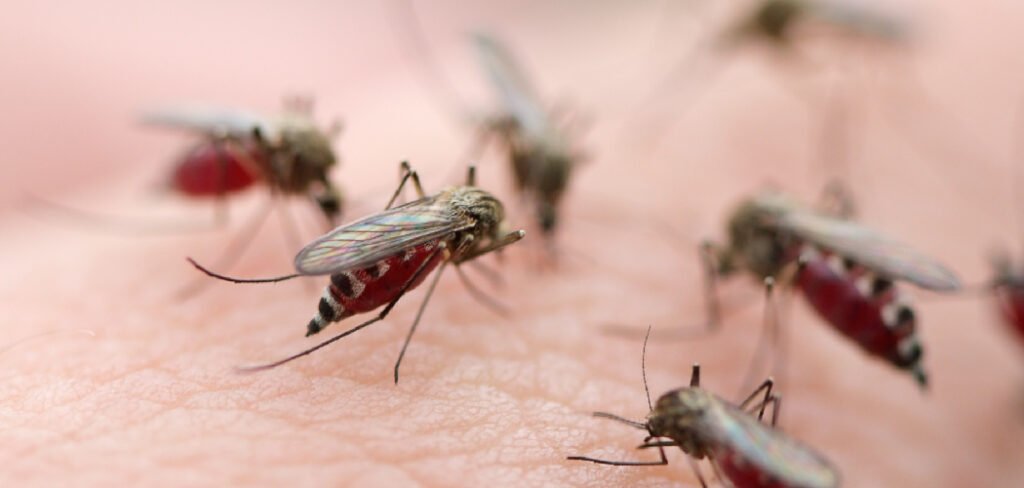
The good news is that you don’t need harsh chemicals or expensive equipment to solve this problem. By understanding what attracts mosquitoes and implementing a few simple maintenance routines, you can create a safe, welcoming oasis for birds while keeping the bugs at bay.
This guide covers practical, bird-safe methods to ensure your garden remains a sanctuary for wildlife rather than a nursery for pests.
Why It Matters
Mosquitoes are more than just an annoyance; they are a significant health risk to both humans and animals. Female mosquitoes lay their eggs in standing water, and a bird bath can support hundreds of larvae in just a few days.
These pests can carry dangerous diseases like West Nile virus, Zika virus, and heartworm, which can affect your family and pets.
Beyond the health risks, a mosquito-infested bird bath is often dirty and unappealing to birds. Birds prefer clean, fresh water for drinking and bathing. When water becomes stagnant and filled with larvae or algae, birds may avoid it entirely, defeating the purpose of having a bath in your garden.
By managing the water quality, you protect your local ecosystem, reduce the mosquito population in your yard, and ensure that your avian visitors have a healthy place to hydrate and preen.
Step-by-Step Guide on How to Keep Mosquitoes Out of Bird Bath
Keeping your bird bath mosquito-free doesn’t require a degree in entomology. It simply requires a consistent routine and a few smart strategies. Follow these steps to maintain a pristine and pest-free water source.
Step 1: Change the Water Frequently
The most effective way to prevent mosquitoes from breeding is to disrupt their lifecycle before it begins. Mosquito eggs take about a week to hatch into adults, but in hot weather, this can happen in as little as four days.
By dumping out the old water and refilling the bath every two to three days, you ensure that any eggs laid on the surface never have the chance to develop into larvae.
This simple act of vigilance is often all that is needed to break the cycle. Make it a habit to refresh the basin whenever you water your garden plants so it becomes part of your regular outdoor routine.
Step 2: Scrub the Basin Regularly
Simply dumping the water isn’t always enough, as mosquito eggs can cling to the sides of the basin like tiny specks of dirt. To truly ensure the environment is hostile to pests, you need to scrub the interior surface of the bird bath at least once a week.
Use a stiff brush and a solution of nine parts water to one part vinegar to scrub away algae, bird droppings, and potential insect eggs.
Avoid using household soaps or bleach, as residue from these cleaners can strip the natural oils from bird feathers. A thorough scrub keeps the water fresher for longer and removes the organic matter that mosquito larvae feed on.
Step 3: Agitate the Water Surface
Mosquitoes prefer stagnant, still water for laying their eggs because surface tension is necessary for the eggs to float.
Introducing movement to the water makes the surface turbulent, discouraging females from landing and drowning any existing larvae. You can achieve this by adding a solar-powered fountain, a wiggler, or a simple dripper system.
The gentle ripples created by these devices serve a dual purpose: they are highly effective at deterring insects, and the sound of splashing water is irresistible to birds. This mechanical solution is chemical-free and adds a dynamic visual element to your garden while solving the problem of how to keep mosquitoes out of bird bath water.
Step 4: Use Bacterial Larvicides
If you cannot change the water daily or have a particularly large basin, a biological control agent might be the answer. Bacillus thuringiensis israelensis (Bti), commonly sold as “mosquito dunks” or bits, is a naturally occurring bacterium that targets mosquito larvae specifically.
When added to water, it releases toxins that are lethal to mosquito larvae but completely harmless to birds, pets, and beneficial insects like bees. You can break a standard dunk into smaller pieces for a bird bath or use the granular form.
This method provides a safety net, killing larvae that hatch between cleanings without introducing synthetic poisons into your wildlife habitat.
Step 5: Position the Bath Correctly
The location of your bird bath plays a surprising role in how attractive it is to mosquitoes. These insects prefer cool, shady, and humid environments where evaporation is slow.
Placing your bird bath in a sunny spot can help heat the water slightly and increase evaporation rates, which makes the environment less hospitable for larvae. However, you must balance this with the birds’ needs, as water that is too hot is unappealing.

Ideally, choose a location that receives morning sun but is shaded during the hottest part of the afternoon. This positioning helps keep the water cleaner and encourages faster drying of splashes around the base, reducing muddy spots where mosquitoes also like to breed.
Step 6: Maintain the Surrounding Landscape
Mosquitoes often rest in tall grass and dense shrubbery during the heat of the day, waiting for the evening to feed and breed. If your bird bath is surrounded by overgrown vegetation, you are essentially inviting them to move in.
Keep the grass around the base of the pedestal trimmed short and prune back any heavy foliage that hangs directly over the water. This reduces the immediate population of adult mosquitoes in the vicinity.
Additionally, removing fallen leaves and debris from the water daily is crucial, as decaying organic matter provides the perfect food source for developing larvae. A clean environment around the bath supports a clean environment within it.
Step 7: Add Copper Coins or Tubing
An old gardener’s trick involves using copper to deter algae and pests. Copper has natural antimicrobial properties that can help keep water cleaner and may be toxic to mosquito larvae in sufficient concentrations.
Placing a few clean copper pennies (minted before 1982 to ensure high copper content) or a small piece of copper tubing in the basin can help inhibit the growth of algae and bacteria.

While this is not a standalone solution and works best when combined with regular cleaning, it adds an extra layer of defense. The copper slowly releases ions into the water that disrupt the life processes of simple organisms, helping to maintain water clarity and hygiene.
Common Mistakes to Avoid
Even with good intentions, many gardeners inadvertently make their bird baths more attractive to pests. One major error is relying solely on “topping off” the water rather than replacing it.
Adding fresh water to old water does not remove waste or larvae; it simply dilutes the problem while maintaining a stable environment for pests. Always dump the old water completely before refilling.
Another mistake is using harsh chemicals like chlorine bleach or algaecides to keep the water clear. While these will certainly kill mosquito larvae, they are toxic to birds and can cause severe health issues or death.
Similarly, adding oil to the water to suffocate larvae is dangerous, as it coats bird feathers and destroys their insulation and flight capabilities. Stick to bird-safe methods like scrubbing and Bti products.
Finally, ignoring the area beneath the bird bath is a common oversight. Splashing water often creates muddy puddles at the base of the pedestal. These small, unnoticed pools are perfect breeding grounds for mosquitoes.
Ensure the ground beneath the bath drains well, or add gravel to prevent standing water from accumulating on the soil surface.
Frequently Asked Question (Faq)
Are Mosquito Dunks Safe for Birds to Drink?
Yes, mosquito dunks containing Bacillus thuringiensis israelensis (Bti) are completely safe for birds, pets, and wildlife. Bti is a naturally occurring bacterium that specifically targets the digestive systems of mosquito, black fly, and fungus gnat larvae.
It does not harm mammals, birds, fish, or beneficial insects like honeybees and butterflies. You can use these products in your bird bath with confidence, knowing they will eliminate pests without posing a risk to the animals you are trying to attract.
How Often Should I Clean My Bird Bath in Summer?
During the hot summer months, you should clean your bird bath at least two to three times per week. High temperatures accelerate algae growth and the mosquito lifecycle, allowing eggs to hatch into adults in as little as four days. Frequent cleaning ensures the water remains fresh and hygienic.
If you notice rapid algae buildup or cloudy water, you may need to clean it daily or move the bath to a shadier location to slow down organism growth.
Does Moving Water Really Stop Mosquitoes?
Yes, moving water is a highly effective deterrent. Mosquitoes require a still, stagnant surface to land on and lay their eggs. If the water is rippling, splashing, or flowing, the surface tension is broken, making it physically impossible for the female mosquito to deposit her eggs safely.
Furthermore, any larvae that might already be in the water can drown if the current is strong enough to prevent them from surfacing to breathe. Adding a wiggler or fountain is one of the best preventative measures.
Can I Use Vinegar to Keep Mosquitoes Away?
Vinegar itself does not repel adult mosquitoes, but it is an excellent, bird-safe cleaning agent. Using apple cider vinegar or white vinegar to scrub your bird bath removes the organic matter and algae that mosquito larvae feed on.
Some gardeners add a teaspoon of apple cider vinegar to the water to adjust the pH and discourage algae growth, which indirectly makes the water less hospitable to larvae, though it won’t kill them outright like Bti will.
Will Copper Pennies Prevent Mosquito Larvae?
Copper creates an environment that is hostile to algae and some bacteria, which can help keep water cleaner, but its effectiveness against mosquito larvae is debated and generally considered mild. For copper to work, it must be clean and have a high surface area.
\While throwing in pre-1982 pennies (which are 95% copper) can help inhibit algae growth, it should not be your primary defense. It works best as a supplemental measure alongside regular water changes and scrubbing.
Conclusion
Creating a mosquito-free zone in your garden is essential for your comfort and the health of the wildlife you cherish. By staying vigilant with cleaning routines, utilizing the power of moving water, and employing safe biological controls like Bti, you can easily maintain a pristine bird bath.
It is not just about aesthetics; it is about stewardship of your local environment.
Remember that consistency is key. A neglected basin can become a breeding ground in a matter of days, undoing your hard work. By incorporating these simple strategies into your weekly gardening schedule, you will solve the puzzle of how to keep mosquitoes out of bird bath water permanently.
Your reward will be a lively, chirping garden filled with happy birds splashing in clean, fresh water—and a peaceful, bite-free backyard for you to enjoy.

About
Jovie Mathews is a backyard and outdoor expert writer with over 12 years of hands-on experience transforming neglected outdoor spaces into thriving gardens and functional retreats. Raised in a family where weekends meant digging in the soil and building raised beds from scratch, Jovie developed a genuine love for the outdoors long before it became a career.
She writes with a practical, no-fluff approach — always testing ideas in her own backyard before sharing them with readers. From composting systems and native plant selection to patio design and pest control, Jovie covers the full spectrum of backyard life with equal parts expertise and enthusiasm.
Education
B.Sc. in Horticulture Science
University of Florida (UF) · Gainesville, FL · 2014
IFAS College of Agricultural and Life Sciences
Minor in Environmental Studies
University of Florida (UF) · Gainesville, FL · 2014
College of Liberal Arts and Sciences
Areas of expertise
- Lawn & Garden Care
- Soil prep, planting, seasonal care
- Outdoor DIY Projects
- Raised beds, fencing, pathways
- Composting & Soil Health
- Organic methods, amendments
- Native Plants & Wildlife
- Pollinators, habitat gardening
When she is not writing, Jovie can be found testing new composting techniques, growing tomatoes in questionable quantities, or convincing her neighbors that clover lawns are actually a great idea. She currently gardens in the Pacific Northwest.